
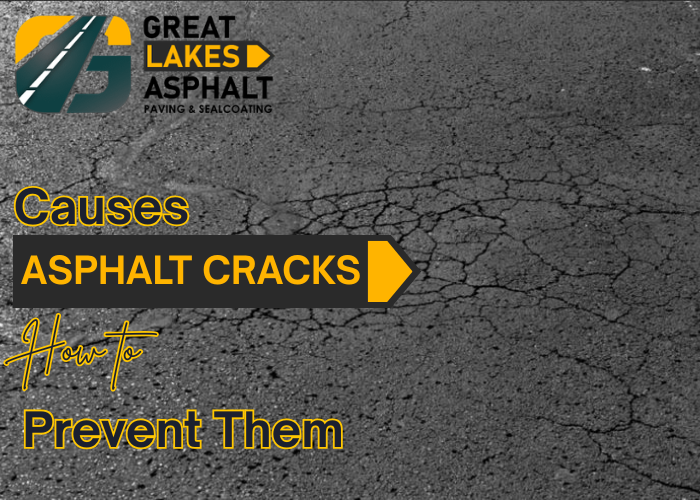
Asphalt is one of the most widely used materials for roads, parking lots, driveways, and various other surfaces. Its durability and relatively low cost make it an ideal choice for a variety of applications. However, despite its many benefits, asphalt is not immune to the effects of wear and tear. Over time, asphalt can develop cracks, which can compromise its structural integrity and lead to more serious issues if left unaddressed.
In this blog, we’ll explore the main causes of asphalt cracks, how they develop, and—most importantly—how to prevent them. By understanding the underlying reasons behind asphalt damage, you can take steps to protect your pavement and extend its lifespan. If you’re in need of professional paving and sealcoating services, companies like Great Lakes Asphalt Paving & Sealcoating are well-equipped to help maintain your asphalt surfaces.
Causes of Asphalt Cracks
- Weathering and Environmental Factors
One of the most common causes of asphalt cracks is the natural weathering process, often accelerated by environmental conditions. As the asphalt surface is exposed to the elements, it undergoes various physical and chemical changes.- UV Radiation: The sun’s UV rays break down the chemical bonds in asphalt, causing it to dry out, become brittle, and lose its flexibility. This process is known as oxidation.
- Temperature Fluctuations: Asphalt expands in hot weather and contracts in cold weather. Over time, repeated temperature fluctuations can create stress within the material, leading to cracks.
- Freeze-Thaw Cycle: When water enters small cracks and freezes during cold weather, it expands, putting pressure on the surrounding asphalt. This expansion and contraction can create larger fissures.
- Water Damage
Water is one of the most damaging forces when it comes to asphalt. Potholes, standing water, and cracks caused by water penetration can all lead to significant damage. Here’s how it happens:- Moisture Infiltration: Asphalt is a porous material, and over time, water can seep into the surface. As it freezes, it can expand and weaken the pavement. In warmer months, water can also erode the base layer underneath the asphalt, leading to instability.
- Poor Drainage: If water does not drain properly off your asphalt surface, it can pool and cause deterioration. Without effective drainage, water continues to weaken the material, leading to cracks, potholes, and even complete surface failure.
- Heavy Traffic and Load Stress
High traffic volumes, particularly from heavy vehicles, exert a significant amount of pressure on the surface of asphalt. This constant stress can lead to cracks, especially in areas where there is frequent stopping, turning, or starting.- Wheel Load Stress: When heavy vehicles such as trucks or construction equipment frequently travel over the surface, the asphalt experiences excessive load pressure. This can cause fatigue in the material, leading to cracks and eventually potholes.
- Point Load Pressure: Vehicles that park for extended periods in the same spot can also cause stress on the asphalt. Parking lots and driveways are especially susceptible to this type of damage.
- Improper Installation
A poorly installed asphalt surface is more prone to cracking. This may include improper compaction of the base layers, inadequate drainage systems, or the wrong asphalt mix for the climate. Even minor issues during installation can lead to larger problems down the road. - Aging and Lack of Maintenance
Over time, all asphalt surfaces experience wear and tear. As asphalt ages, it naturally loses its flexibility, making it more susceptible to cracking. Lack of proper maintenance—such as failing to reseal the surface or address minor cracks before they spread—can accelerate this process. Regular care is essential to extending the lifespan of your asphalt.
Types of Asphalt Cracks
There are several types of cracks that can appear in asphalt, each of which has different causes and characteristics. Some common types include:
- Alligator Cracking: This type of cracking forms a pattern resembling alligator skin. It is usually caused by a weak base or poor drainage, and often indicates structural damage.
- Longitudinal Cracks: These cracks run parallel to the centerline of the pavement and are typically caused by shrinkage due to temperature changes or issues with the paving process.
- Transverse Cracks: These cracks run perpendicular to the centerline and are often caused by a combination of environmental stress and traffic loading.
- Potholes: Potholes form when water infiltrates cracks and erodes the base layer beneath the asphalt. They are typically the result of the freeze-thaw cycle and heavy traffic stress.
How to Prevent Asphalt Cracks
Preventing asphalt cracks requires a proactive approach. Regular maintenance and the right treatments can keep your pavement in excellent condition for years. Here are some essential tips for preventing asphalt cracks:
1. Sealcoating
One of the most effective ways to protect asphalt is to apply a sealcoat. Sealcoating acts as a protective barrier that shields the surface from water, UV rays, and other harmful elements. It helps prevent oxidation and keeps the asphalt flexible, reducing the likelihood of cracks forming. Sealcoating should be applied every 2 to 3 years, depending on traffic levels and environmental conditions.
2. Regular Inspections
Routine inspections are key to identifying small cracks or potential issues before they become bigger problems. Look for signs of wear and tear, such as slight cracks or areas where water pools. Catching problems early allows for quicker, less expensive repairs.
3. Repairs and Crack Filling
When you notice small cracks starting to form, it’s essential to fill them promptly before they get worse. Crack filling involves injecting a flexible sealant into the crack to prevent moisture from infiltrating the surface. Over time, cracks may widen or become deeper, making them more difficult to repair.
4. Improve Drainage
Ensure that water drains away from your asphalt surface effectively. This may involve grading the surface or installing drainage systems to redirect water away from the asphalt. Standing water accelerates damage and contributes significantly to the development of cracks.
5. Address Heavy Traffic
If possible, limit heavy traffic on your asphalt surfaces. Reinforcing the pavement structure to handle heavy loads or rerouting trucks and large vehicles can help prevent premature cracking. Regularly inspect high-traffic areas for damage and make repairs as needed.
6. Proper Installation
To minimize the risk of cracking, ensure that your asphalt is properly installed. This includes ensuring proper base compaction, using the right asphalt mix for your climate, and making sure there’s a proper drainage system in place. Professional paving contractors, like Great Lakes Asphalt Paving & Sealcoating, can provide expert installation and maintenance services.
Conclusion
Asphalt cracks are a common issue, but with the right knowledge and maintenance strategies, you can keep your asphalt surfaces in top condition for years. Regular inspections, timely repairs, and sealcoating are key to preventing damage and extending the lifespan of your pavement. Whether you’re dealing with parking lots, driveways, or roads, staying ahead of potential issues can save you significant costs down the line.
If you’re unsure how to start with proper maintenance, consider reaching out to a professional paving service like Great Lakes Asphalt Paving & Sealcoating for expert guidance. They can help you assess your pavement’s condition, make necessary repairs, and offer ongoing maintenance services to ensure your asphalt lasts as long as possible.