
Your asphalt pavement is a significant investment that requires regular attention to maintain its durability and appearance. Whether it’s a commercial parking lot or a residential driveway, recognizing the early warning signs of deterioration can save you thousands of dollars in costly repairs down the road. Understanding when to call in professionals for maintenance is crucial to extending the lifespan of your asphalt surfaces.
1. Extensive Cracking Throughout the Surface
Cracks are among the most common and visible signs that your asphalt needs immediate attention. What starts as small, hairline cracks can quickly evolve into larger, more problematic fissures if left untreated.
Types of cracks to watch for:
- Alligator cracking appears as interconnected cracks resembling alligator skin, indicating serious structural issues beneath the surface
- Linear cracks run in relatively straight lines and often result from improper joint construction or temperature fluctuations
- Edge cracks form along the perimeter of your pavement where the asphalt meets unpaved surfaces
Water infiltration through cracks accelerates deterioration by weakening the base layer and causing further damage during freeze-thaw cycles. Professional asphalt crack sealing prevents moisture penetration and stops minor cracks from expanding into major problems. This preventive service creates a waterproof barrier that protects your pavement’s structural integrity and significantly extends its lifespan.
2. Standing Water and Drainage Problems
Puddles that remain on your asphalt surface 24 hours after rainfall signal serious drainage issues that demand professional intervention. Proper drainage is essential for asphalt longevity, as standing water accelerates deterioration and creates safety hazards.
Standing water indicates that your pavement has developed low spots or depressions where water collects instead of flowing off the surface. This pooling water seeps into the asphalt’s porous structure, weakening the foundation and leading to potholes, cracks, and premature pavement failure. During winter months, this trapped water freezes and expands, causing even more extensive damage.
Poor drainage also creates liability concerns, as standing water becomes slippery and hazardous for pedestrians and vehicles. If you notice persistent puddles, professional asphalt maintenance services can assess the grading issues and recommend solutions such as resurfacing or installing proper drainage systems to redirect water flow.
3. Faded and Deteriorating Surface Color
The rich, dark black color of newly installed asphalt doesn’t last forever. Over time, exposure to sunlight, oxygen, and weather elements causes oxidation, turning your pavement from deep black to dull gray. While some fading is normal, excessive discoloration indicates that your asphalt’s protective oils have evaporated, leaving it vulnerable to accelerated wear.
Faded asphalt becomes brittle and more susceptible to cracking, raveling, and other forms of deterioration. The surface loses its flexibility and can no longer withstand traffic loads and temperature changes effectively. UV rays break down the binding agents in asphalt, causing the aggregate to separate and the surface to become rough and porous.
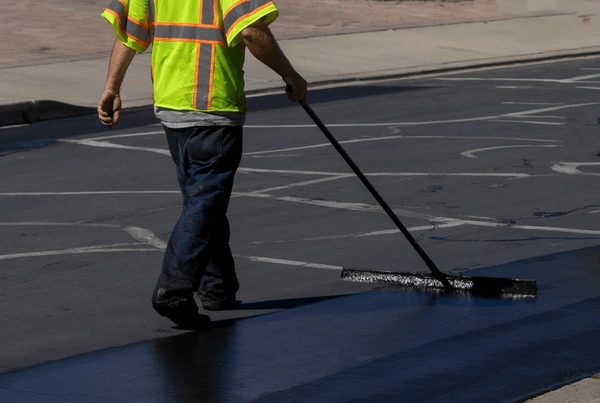
Professional seal coating services restore your asphalt’s protective layer and appearance. Sealcoating acts as a barrier against oxidation, water penetration, and chemical spills while giving your pavement a fresh, dark appearance. This preventive treatment should be applied every two to three years to maintain optimal protection and extend your pavement’s lifespan by up to double.
4. Potholes and Surface Depressions
Potholes are perhaps the most obvious sign that your asphalt is in desperate need of professional attention. These bowl-shaped holes form when water infiltrates beneath the pavement through cracks, weakening the base material. Traffic pressure then causes the weakened area to collapse, creating a pothole.
Potholes pose serious risks including vehicle damage, accidents, and liability concerns for property owners. They also worsen rapidly, as water and traffic continue to erode the surrounding pavement. Small potholes can double in size within weeks during harsh weather conditions.
Immediate asphalt patching is essential when potholes appear. Professional patching involves removing damaged material, properly preparing the base, and installing new asphalt that bonds seamlessly with the surrounding surface. For multiple potholes or extensive surface damage, asphalt re-paving or asphalt recaps/overlays might be more cost-effective long-term solutions that restore the entire surface to like-new condition.
5. Crumbling Edges and Raveling
When the edges of your asphalt pavement begin to crumble and break away, it’s a clear indicator that the structural integrity has been compromised. Edge deterioration typically occurs due to lack of proper edge support, water infiltration from the sides, or vegetation growth that pushes against the pavement.
Raveling, where aggregate stones separate from the asphalt binder and scatter across the surface, is another serious concern. This condition leaves your pavement looking rough and pitted, and it exposes the underlying layers to further damage. Raveling typically starts in high-traffic areas or where the asphalt has been weakened by poor compaction during installation.
Both crumbling edges and raveling accelerate rapidly once they begin. Professional existing asphalt removal & replacement may be necessary for severely damaged sections, while less affected areas might benefit from timely maintenance services that stabilize the edges and prevent further deterioration.
6. Visible Base Layer or Subgrade
If you can see the stone base layer beneath your asphalt surface, your pavement has reached a critical stage of failure. This exposure means that the asphalt wearing course has completely worn away or been removed by deterioration processes. The base layer was never designed to handle direct traffic loads and will quickly fail when exposed.
Exposed base indicates that simple repairs are no longer sufficient. The pavement has surpassed its serviceable life and requires complete reconstruction. Continuing to drive on exposed base causes rapid deterioration of the foundation itself, which significantly increases repair costs.
Professional asphalt paving services can provide a complete assessment and recommend whether selective existing asphalt removal & replacement or full pavement reconstruction is necessary. Addressing this issue promptly prevents the need for expensive base repairs in addition to new asphalt installation.
7. Warping, Buckling, or Upheaval
Warping occurs when your asphalt surface develops waves or undulations that weren’t present when it was first installed. Buckling creates raised areas or bumps that make the pavement uneven and potentially dangerous. These conditions typically result from underlying foundation problems, poor drainage, or expansion during extreme heat.
Frost heave is a related issue where freezing groundwater expands and literally pushes the pavement upward, creating dangerous ridges and bumps. When temperatures warm, the pavement may settle unevenly, creating depressions and structural weakness.
These serious structural issues require professional evaluation to determine the root cause. Depending on the severity, solutions might range from asphalt milling to remove the damaged layer and restore proper grades, to complete existing asphalt removal & replacement if the foundation has failed. Professional contractors have the expertise and equipment to diagnose foundation issues and implement lasting solutions.
8. Faded or Worn Parking Lot Striping
While not directly related to asphalt condition, worn-out parking lot striping often coincides with the need for other maintenance services. Faded lines, arrows, and markings create confusion, reduce parking efficiency, and may violate local regulations or ADA compliance requirements.
If your striping has faded to the point where it’s barely visible, it’s likely that your pavement surface has also experienced significant wear. This is an ideal time to schedule comprehensive maintenance that addresses both the asphalt surface condition and the striping needs.
Professional parking lot line striping services restore clear, visible markings that improve safety and functionality. Services include directional arrows, reserved spaces, crosswalks, ADA handicap compliant striping, numbered spaces, no parking zones, and custom stenciling. Restriping is often performed after sealcoating or resurfacing to ensure maximum visibility and longevity of the markings.
9. Age of Your Asphalt Surface
Even if your asphalt doesn’t show obvious signs of distress, age alone is a valid reason to schedule professional maintenance. Asphalt has a typical lifespan of 15 to 20 years with proper maintenance, but this timeline can be significantly shortened or extended depending on care and usage.
If your pavement is approaching or has exceeded the 15-year mark, it’s time for a professional assessment even if it appears to be in decent condition. Preventive maintenance becomes increasingly important as asphalt ages, and being proactive can help you avoid sudden, expensive failures.
Regular asphalt maintenance services throughout your pavement’s life maximize longevity and performance. A professional evaluation can determine whether your aging asphalt needs minor repairs, sealcoating, overlay work, or complete replacement. Acting before major problems develop is always more cost-effective than waiting for catastrophic failure.
10. Increased Maintenance Frequency
If you find yourself scheduling asphalt repairs more frequently than in previous years, it’s a strong indicator that your pavement is approaching the end of its serviceable life or needs comprehensive rehabilitation. Constantly patching potholes, filling cracks, and addressing new problems suggests that underlying issues aren’t being adequately addressed.
Frequent maintenance can become more expensive than a comprehensive solution like resurfacing or repaving. When repairs become a regular occurrence, it’s time to consult with professionals about long-term options that provide better value and performance.
Professional contractors can evaluate whether asphalt recaps/overlays would provide a cost-effective solution by adding a new wearing surface over the existing pavement, or if full asphalt paving services are necessary for a complete rebuild. This assessment considers factors like foundation condition, drainage, and expected future use to recommend the most appropriate solution.
The Importance of Professional Assessment
While recognizing these warning signs is valuable, professional evaluation is essential for determining the most appropriate and cost-effective solutions. Experienced asphalt contractors have the expertise to identify underlying problems that may not be visible on the surface and can recommend preventive measures that save money in the long run.
Professional contractors also have access to specialized equipment and materials that ensure repairs are done correctly and last longer than DIY attempts. From asphalt milling equipment that removes damaged surfaces to precision crack sealing materials that create lasting waterproof barriers, professionals deliver results that homeowners and property managers simply cannot achieve on their own.
Preventive Maintenance: The Key to Longevity
The best approach to asphalt care is preventive maintenance rather than reactive repairs. Establishing a regular maintenance schedule that includes periodic inspections, crack sealing, and sealcoating protects your investment and prevents minor issues from becoming major expenses.
A comprehensive maintenance plan might include:
- Annual inspections to identify emerging problems early
- Crack sealing as soon as cracks appear, preventing water infiltration
- Seal coating every two to three years to protect against oxidation and wear
- Prompt asphalt patching of any potholes or damaged areas
- Regular parking lot line striping to maintain safety and compliance
- Installation of bumper blocks to prevent vehicle damage to pavement edges
To Summarize
Your asphalt pavement communicates its needs through visible signs of wear and deterioration. Recognizing these warning signals and taking prompt action ensures your pavement remains safe, functional, and attractive for years to come. Whether you’re dealing with minor cracks or major structural issues, professional asphalt maintenance and repair services provide the expertise and solutions needed to protect your investment.
Don’t wait until small problems become expensive disasters. If you’ve noticed any of these signs on your asphalt surfaces, contact a professional asphalt contractor today for a comprehensive evaluation and customized maintenance plan. With proper care and timely intervention, your asphalt can provide decades of reliable service and maintain its appearance and functionality throughout its lifespan.