
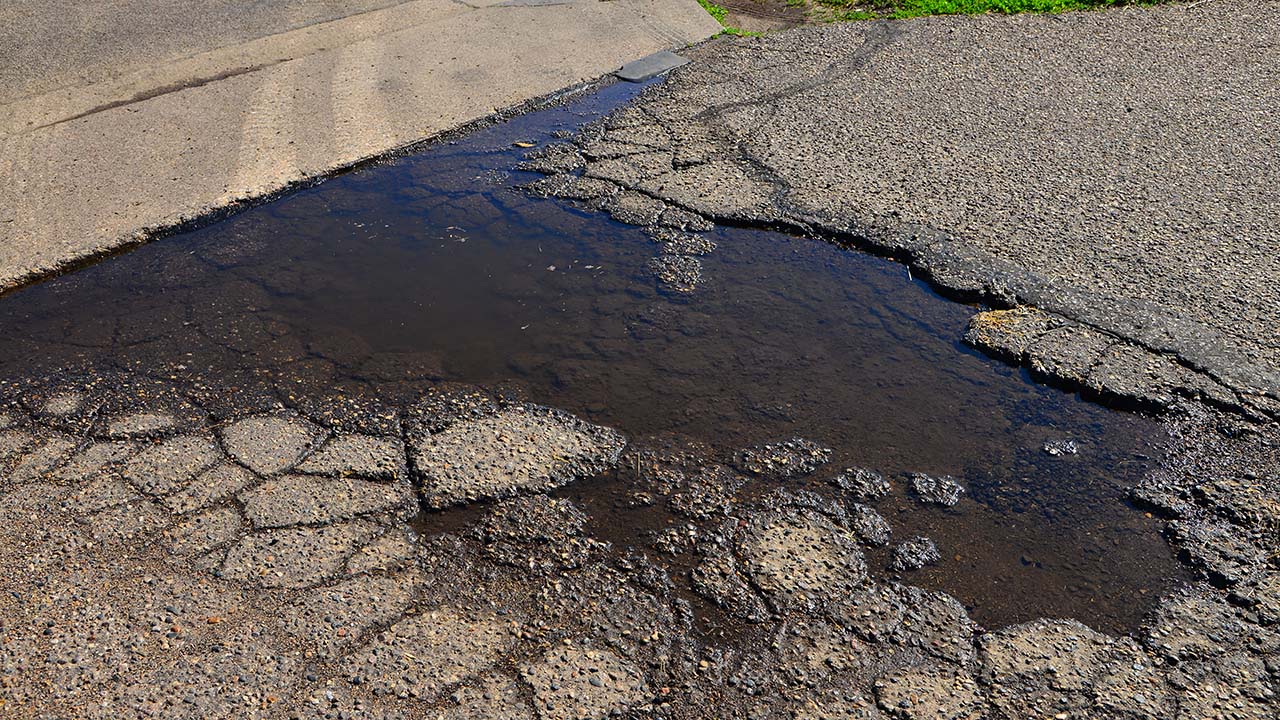
Your parking lot is often the very first thing customers, employees, and even potential tenants or investors see when they visit your property. It’s not just a patch of asphalt—it’s a silent ambassador for your brand. Yet many business owners treat it as an afterthought until cracks widen, potholes form, and complaints start rolling in.
A neglected parking lot doesn’t just look bad. It quietly erodes customer loyalty, drives away sales, exposes you to expensive lawsuits, hurts employee morale, and can slash your property value. Here’s exactly how poor parking lot conditions hurt your bottom line—and why proactive maintenance is one of the smartest investments you can make.
1. It Destroys First Impressions and Customer Perception
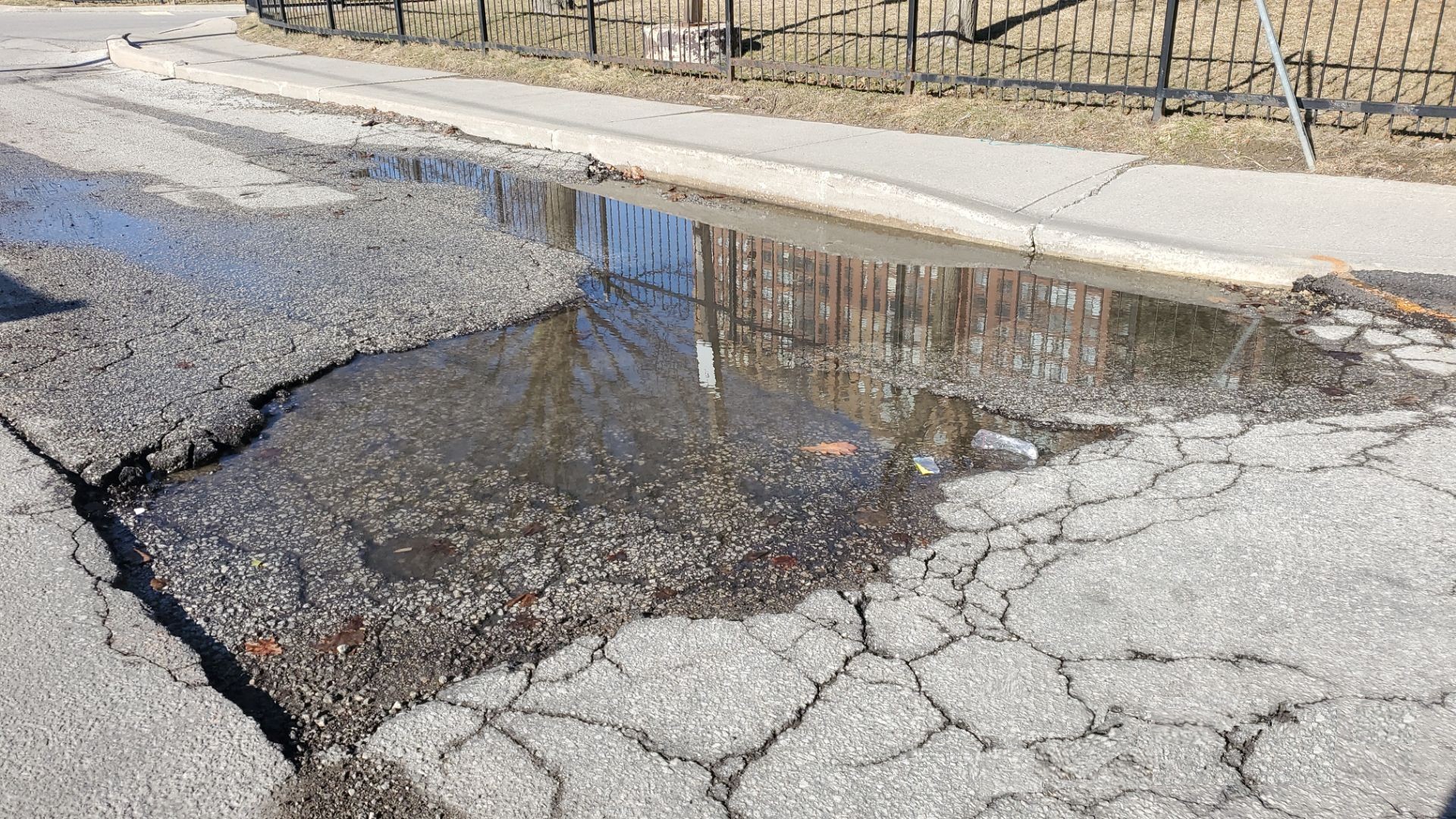
Customers form opinions in seconds. A faded, cracked, or debris-strewn parking lot sends a clear message: “We don’t care enough to maintain the outside, so why would we care about you inside?”
Research and real-world experience from paving professionals show that a neglected parking lot leads customers to assume the entire business is poorly managed. They question product quality, service standards, and even cleanliness inside the store. One study of retail environments noted that dingy or poorly kept lots cause nearly half of shoppers to avoid the business altogether.
Clean, well-striped lots with fresh markings do the opposite—they signal professionalism, attention to detail, and respect for customers. The psychology is simple: people treat well-maintained spaces better, stay longer, and spend more.
2. It Reduces Foot Traffic, Sales, and Repeat Business
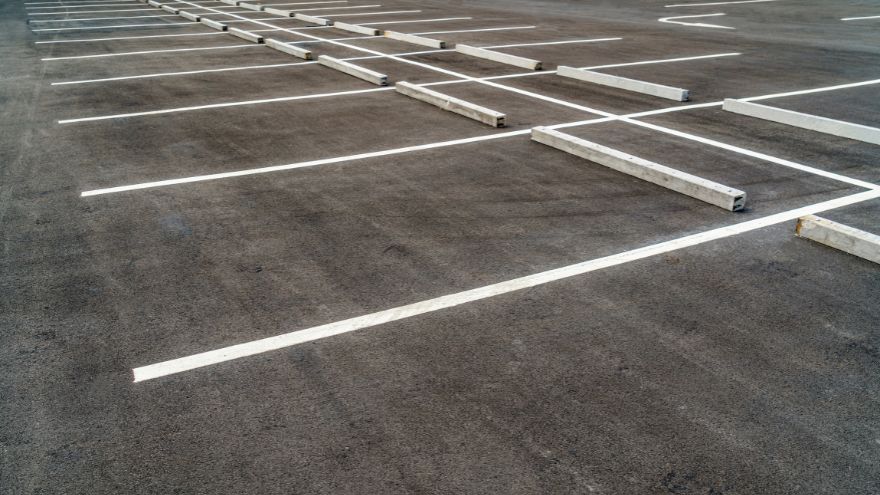
Frustrated drivers don’t shop—they leave. Potholes that damage tires, faded lines that cause confusion, flooding that forces people to dodge puddles, and confusing layouts all create unnecessary stress. Customers simply drive to the competitor down the street with a smooth, clearly marked lot.
Data from asphalt maintenance experts shows poor parking conditions can reduce customer traffic by up to 20%. For a retail business generating $50,000 in monthly revenue, that’s a potential $10,000 monthly loss—far more than the cost of proper upkeep. Women, who make up the majority of household shoppers in many categories, are especially sensitive to parking issues; nearly one-third say they avoid in-person shopping due to safety or convenience concerns in poorly maintained lots.
3. It Creates Serious Safety Hazards and Massive Liability Risks

Potholes, cracks, uneven surfaces, and poor drainage aren’t just ugly—they’re dangerous. Customers trip, vehicles get damaged, and employees slip in bad weather. These incidents quickly turn into lawsuits.
Trip-and-fall claims from parking lot hazards average $20,000–$30,000 per settlement (not counting legal fees). Vehicle damage claims from potholes add hundreds more per incident. Commercial property owners face rising litigation risks from cracks, broken curbs, inadequate lighting, and ice buildup. One pothole repair that costs $150 today can balloon into a $1,500 full-depth repair next month if ignored—and that’s before any lawsuit hits.
Poor lighting at night compounds the problem. Dark lots make customers—especially women—feel unsafe, directly hurting evening sales.
4. It Violates ADA Requirements and Triggers Costly Lawsuits
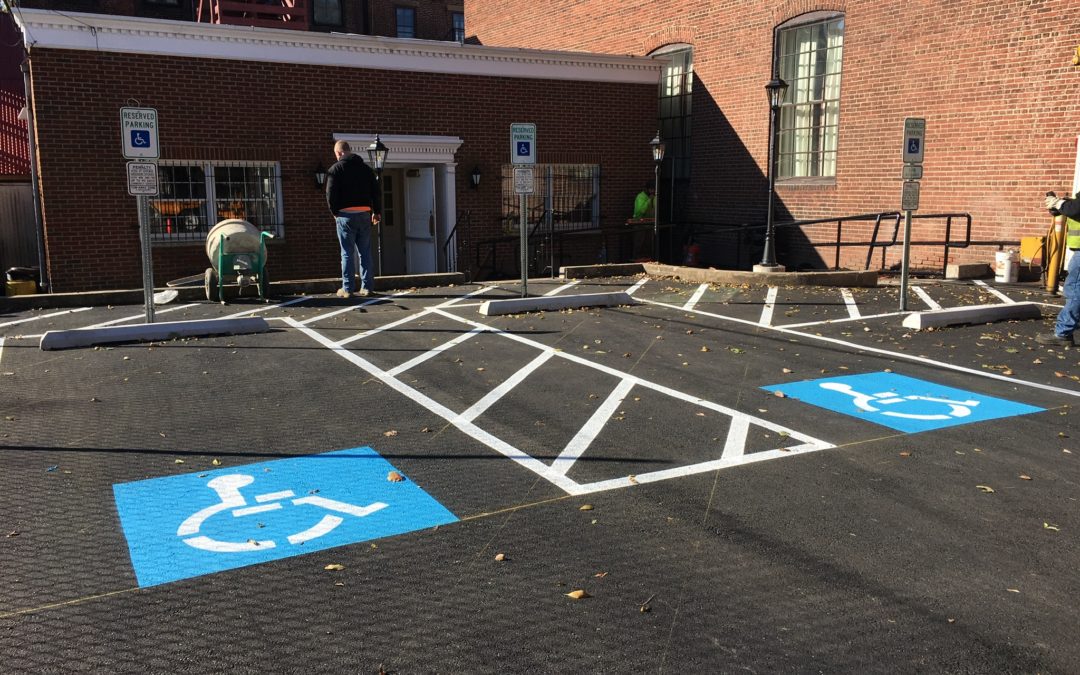
Accessible parking is non-negotiable under the Americans with Disabilities Act. Missing or incorrect signage, insufficient van-accessible spaces, faded blue markings, or blocked access aisles are among the most common ADA violations cited in lawsuits.
“Serial plaintiffs” routinely target businesses with non-compliant lots, and settlements or retrofits can cost thousands per space (new handicap stalls often run $9,500–$15,000). Proper ADA-compliant spaces with clear signage and striping protect you legally and show inclusivity—something customers notice and appreciate.
5. It Hurts Employee Morale, Productivity, and Retention
Your team parks there every single day. When employees dodge potholes, arrive stressed from circling for spots, or worry about vehicle damage, it carries straight into their workday. Studies link parking frustration to lower focus, higher irritability, reduced job satisfaction, and even increased turnover.
Poor conditions also signal that the company doesn’t value employee safety or comfort. In contrast, a smooth, well-lit, clearly striped lot lets staff start their shift calm and ready to perform.
6. It Drives Up Long-Term Costs and Lowers Property Value
Reactive repairs are exponentially more expensive than preventive maintenance. A small crack sealed for pennies per foot becomes a pothole requiring full-depth patching. Neglect an entire lot and you’ll eventually need costly reconstruction—often $100,000+—instead of routine sealcoating and striping that might total just $15,000–$20,000 over 15 years while extending pavement life to 25+ years.
A shabby parking lot also lowers your entire property’s resale or rental value. Tenants and buyers see maintenance issues as red flags and negotiate harder or walk away entirely.
The Bottom Line: Poor Parking Lots Are Expensive—Maintenance Pays for Itself
The good news? Fixing these problems is straightforward and delivers rapid ROI. Regular sweeping, crack filling, sealcoating, restriping, and pothole repairs keep your lot safe, attractive, and compliant while protecting your revenue, reputation, and legal standing.
Businesses that invest in their parking lots see higher customer satisfaction, increased foot traffic, fewer insurance claims, happier employees, and stronger property values. In a competitive market, your parking lot isn’t a cost—it’s a powerful marketing and risk-management tool.
Ready to protect your business?
Schedule a professional parking lot assessment today. A quick inspection can identify small issues before they become expensive disasters. Your customers, employees, and bottom line will thank you.
Don’t let poor parking lot conditions quietly steal your success. Maintain it right, and watch your business thrive.