
You’ve just had a beautiful new asphalt driveway installed, and now you’re wondering: when can I actually use it? This is one of the most common questions homeowners ask, and the answer is more nuanced than simply “wait a few days.” Understanding the curing process helps you make the right decision and protects your investment from unnecessary damage.
The Quick Answer
You can safely park light vehicles on a new asphalt driveway after 48-72 hours under normal conditions. However, “normal conditions” is the key phrase, and several factors can extend or slightly shorten this timeline. Waiting the full 72 hours provides a safer margin than the minimum 48 hours.
For heavier vehicles like pickup trucks, SUVs, or anything towing a trailer, waiting 7-14 days is recommended to minimize risk of permanent indentations and surface damage.
The Curing Timeline: Week by Week
Understanding what happens during each phase of the curing process helps explain why these waiting periods matter.
Hours 0-24: The Setting Phase Begins
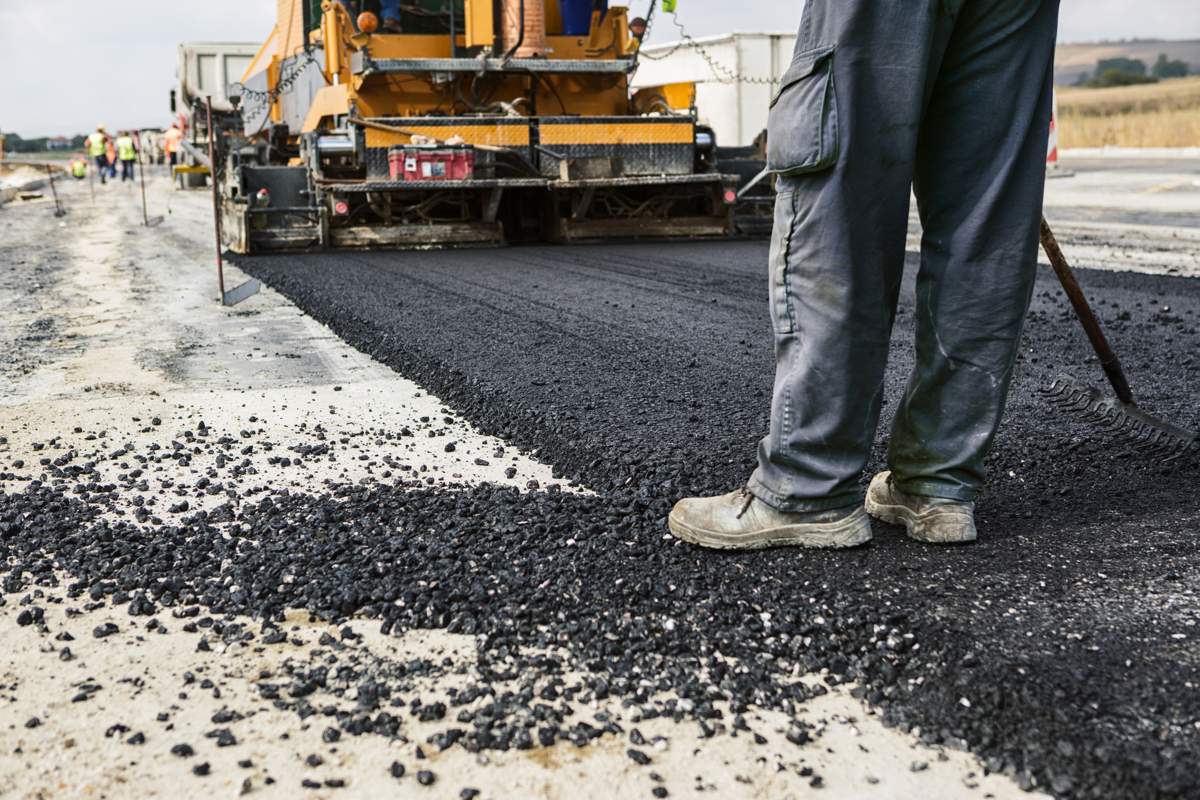
During the first 24 hours, asphalt goes through rapid cooling and initial hardening. The surface will feel warm to the touch and may still be slightly tacky or sticky, especially if installed during warm weather. The pavement has firmed up enough that you can walk on it without leaving footprints, but it’s far from ready for vehicle weight.
What you should do: Keep everyone off the driveway except for necessary foot traffic. Don’t park vehicles, place trash cans, or position equipment on the surface.
Hours 24-48: Early Strength Development
By the 24-hour mark, the asphalt has cooled completely and the surface has hardened considerably. At this point, it will no longer feel tacky and will look fully cured to the untrained eye. However, the interior layers are still actively curing, and the binder hasn’t reached full strength.
What you can do: Light foot traffic is fine. You can walk across your driveway comfortably. Some driveways are safe for a parked vehicle at this point, though the risk isn’t zero.
What you should avoid: Don’t park vehicles yet, even though the temptation is strong. One stationary car for 24 hours during this phase can leave permanent marks.
Hours 48-72: The Safe Parking Window
This is when most driveways reach the safe-for-parking threshold. The asphalt has hardened significantly, volatile oils have begun to evaporate, and the binder is developing proper strength. Light vehicles—sedans, compact SUVs, standard family cars—can now be parked on the driveway without significant risk of damage.
What you can do: Park and use your driveway normally for light vehicles. Drive slowly and avoid sudden stops or sharp turns if possible, but normal residential use is appropriate.
What to still avoid: Heavy vehicles like pickup trucks, commercial vans, or vehicles towing trailers. These concentrated loads can still cause indentations and surface deformation during this early curing window.
Days 4-7: Increasing Strength
By the fourth day, your driveway is noticeably stronger. The asphalt continues to cure, and most light-to-medium vehicles can be used without concern. The color begins to lighten slightly as the surface starts to weather.
What you can do: Normal residential use is safe. Light delivery vehicles and service vehicles can typically use the driveway.
What’s still risky: Extended parking of heavy trucks or equipment. If you must park something heavy, move it daily to avoid permanent marks.
Days 7-14: Heavy Vehicle Safe Zone
After a full week, and especially after two weeks, your driveway can handle most heavy vehicles without significant risk. Pickup trucks, loaded SUVs, and service vehicles can park normally. The risk of permanent damage from weight alone has largely passed.
What you can do: Use your driveway for any residential vehicles and normal traffic patterns. This is also when contractors can safely bring equipment or materials across your driveway.
Days 14-30: Normal Use Established
Two weeks into curing, your driveway behaves almost like fully cured asphalt for practical purposes. The binder continues to cure internally, but from a use perspective, it’s ready for normal residential demands. This is also when sealcoating can be safely applied if you’re planning that maintenance step.
Months 1-12: Ongoing Curing
While your driveway is fully functional within the first month, asphalt continues to cure for 6-12 months. During this time, it gains even more durability and develops its final hardness. The volatiles continue to evaporate, the color gradually lightens, and the pavement bonds increasingly tightly with the gravel base beneath it.
Factors That Change Your Timeline
The 48-72 hour guideline assumes average conditions. Your specific situation may vary:

Temperature During Installation
Warm weather accelerates curing. If your driveway was installed during a hot summer day with temperatures in the 80s or 90s Fahrenheit, you might safely park a light vehicle after 48 hours. Cool spring or fall weather slows the process—you might want to wait the full 72 hours or even slightly longer.
Winter installation presents special challenges. Asphalt installed when temperatures are below 50°F will cure much more slowly. You may need to wait 5-7 days before parking vehicles, and heavy vehicles should wait 14+ days. Cold weather also means the asphalt stays vulnerable to damage longer because the curing process itself slows dramatically.
Weather After Installation
Rain within 24-48 hours of installation delays curing because it prevents proper evaporation of the volatile compounds in the binder. If rain occurs shortly after your driveway is installed, add an extra day or two to your waiting period.
Similarly, high humidity slows evaporation. A damp, cloudy week will extend curing times compared to clear, dry weather. Conversely, hot, dry weather accelerates curing.
Type of Asphalt Mix
Different asphalt mixes cure at different rates. Standard hot mix asphalt is widely used and cures according to the timelines described above. Warm mix asphalt, which is becoming more common, sometimes cures slightly faster. Recycled asphalt or specialty mixes may have different properties.
Your contractor selected the specific mix for your driveway based on your local climate and the expected traffic. They should tell you if your specific mix has different curing expectations.
Driveway Thickness
Thicker driveway installations take longer to cure than thin overlays because the volatiles must evaporate from deeper within the asphalt. A standard 2-inch residential driveway follows the timeline described here. A 3-4 inch driveway might need an extra 24 hours before parking. Conversely, a thin overlay might be safe sooner.
Sun Exposure
Areas of your driveway that get direct sunlight cure faster than shaded sections. If your driveway is partially under a tree or next to a building that casts afternoon shade, the shaded portions will be behind the schedule. This is why you might see slight color differences in your driveway—the sun-exposed sections have cured more completely.
Parking Tips for Your New Driveway
Once you’ve cleared the initial waiting period, these practices help protect your investment during the full curing year:
Move parked vehicles occasionally during the first month if possible. This prevents any single area from bearing the concentrated weight for too long, which is especially important during the first two weeks.
Avoid parking in the same spot repeatedly during the first month. Rotate where you park to distribute wear evenly as the asphalt finishes curing.
Don’t concentrate heavy equipment or loads in one area for extended periods during the first two weeks. If you need to park a trailer, boat, or heavy equipment, try to move it every few days.
Watch for early signs of trouble. If you notice visible indentations or marks after parking light vehicles after 72 hours, it may indicate unusually slow curing—possibly due to weather or mix factors. Contact your installer if you’re concerned about how your driveway is responding to use.
Be patient during the first week. Even though your driveway may feel solid by day three, the internal curing is still progressing. Waiting the full week before subjecting it to heavy loads shows dividends in longevity.
Signs Your Driveway Is Ready for Various Activities
Walking (100% safe): After 24 hours Parking light vehicles: After 72 hours Parking standard sedans daily: After 72 hours Parking pickup trucks: After 7-14 days Parking heavy equipment: After 14 days Applying sealcoat: After 30 days Maximum durability/full cure: After 6-12 months
What Happens If You Park Too Soon?
Understanding the consequences reinforces why patience matters:
Tire marks appear almost immediately if you park on asphalt that’s still curing. These often become permanent because the surface isn’t hard enough to spring back.
Indentations can form where your vehicle rests, especially if parked for 24+ hours on asphalt less than 48 hours old. Heavier vehicles create deeper marks.
Surface softening occurs if traffic occurs while volatiles are still evaporating—the weight interferes with the curing process itself, resulting in weak spots that fail prematurely.
Accelerated deterioration develops over time from these early damages. Water infiltrates the weak spots, cracks develop, and potholes form years earlier than they would in a properly cured driveway.
Special Considerations
If you have multiple vehicles: Stagger when you use the driveway during the first week if possible. Don’t park all vehicles on it simultaneously.
If you have delivery services: Call the day before your driveway is installed to let package delivery services, mail carriers, and service providers know about the new pavement. Ask them to hold off for a few days.
If you have a sloped driveway: Slight slopes drain water and can accelerate curing compared to flat driveways. Steep slopes may allow earlier use because water runs off rather than pooling.
If you live in an extreme climate: Both very hot climates and very cold climates have special considerations. Discuss your specific region with your contractor before installation so you understand realistic timelines for your weather patterns.
The Bottom Line
Waiting 48-72 hours before parking on your new asphalt driveway is a small inconvenience compared to the damage premature parking can cause. Your driveway represents a significant investment, and following proper curing guidelines protects that investment for decades to come.
Most driveways are ready for light vehicle parking after three days under normal conditions. If you install during cool weather or experience rain shortly after installation, erring on the side of caution with an extra day or two is wise. Heavy vehicles should always wait at least a week before regular use.
By understanding the curing process and following recommended waiting periods, you’ll ensure your new driveway reaches full strength and provides reliable service for years to come. If you have specific questions about your driveway’s curing status or timeline, don’t hesitate to contact the contractor who installed it—they can assess your specific situation and give you confident guidance.
Great Lakes Asphalt Paving & Sealcoating is happy to discuss your project specifics and provide detailed recommendations for your unique circumstances.