
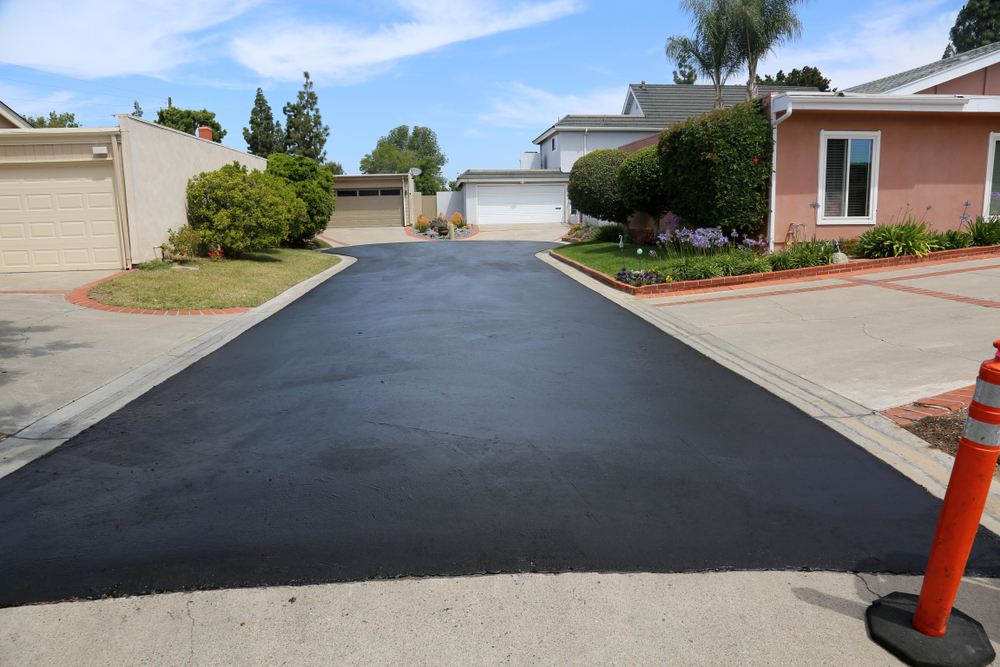
You just had your driveway or parking lot freshly paved—it looks smooth, dark, and brand new. But now the big question comes up: can you drive on fresh asphalt right away?
At Great Lakes Asphalt Paving & Sealcoating LLC, we get this question from almost every client, and it’s a great one. The short answer is no, you shouldn’t drive on new asphalt immediately—and here’s why.
Understanding What Happens to Fresh Asphalt
When new asphalt is laid, it goes through a process called curing.
During curing, the asphalt’s oils, binders, and aggregates slowly harden to create a durable surface.
In the first 24 to 72 hours, that asphalt is still soft and pliable, meaning vehicle weight, tire marks, or even sharp turns can easily dent or scuff it. Think of it like wet cement—it needs time to settle and strengthen.
A few factors affect how long asphalt takes to cure:
- Temperature: Hot weather slows down the cooling and hardening process.
- Humidity: Moist air keeps asphalt soft for longer.
- Thickness of the layer: Thicker paving takes more time to fully set.
- Vehicle weight: Heavy trucks or SUVs can cause ruts if driven on too soon.
Typical Timeline: When Can You Drive on New Asphalt?

At Great Lakes Asphalt Paving & Sealcoating LLC, we follow these general guidelines:
24-48 Hours: The asphalt has set enough for light foot traffic and maintenance vehicles. You can walk on it without leaving marks, though it will still be warm and may feel slightly sticky in hot weather.
72 Hours (3 Days): Under ideal conditions, limited vehicle traffic can typically resume. We often tell clients they can open their parking lots or driveways for normal use at this point, though heavy trucks and concentrated traffic should still be avoided.
7-14 Days: Heavier traffic, including delivery trucks and regular commercial use, can usually be tolerated. The asphalt is becoming stronger, but it’s still gaining strength daily.
30 Days: Most asphalt has cured enough to handle normal traffic loads without significant risk. However, this is when we typically recommend sealcoating should be applied if that’s part of your maintenance plan.
6-12 Months: Full cure is achieved. The asphalt reaches maximum hardness and durability, making it fully resistant to the elements and capable of withstanding the heaviest anticipated traffic.
Important Note: These timelines are general recommendations. Your specific situation may differ based on the factors discussed below. We always recommend consulting with Great Lakes Asphalt Paving & Sealcoating before resuming full traffic.
Factors That Affect Curing Time
The timeline isn’t one-size-fits-all. Several environmental and project-specific conditions influence how quickly your asphalt cures:
Temperature and Weather has the most significant impact. Warm weather accelerates curing because it increases evaporation of volatile compounds in the asphalt binder. A fresh application in summer might be traffic-ready faster than the same project in cooler months. Conversely, cold weather, rain, and high humidity slow the process considerably. If it rains shortly after installation, curing is delayed further because moisture prevents proper evaporation.
Asphalt Mix Type matters considerably. Hot mix asphalt (the most common type) cures faster than warm mix asphalt. The aggregate size, binder grade, and additives all influence curing speed. We select the appropriate mix for your climate and expected traffic conditions.
Thickness of Application directly affects curing duration. A thin layer cures much faster than a thick overlay. The volatiles need to escape from throughout the material, which takes longer in deeper layers. This is why we’re precise about application thickness—it ensures proper performance and appropriate curing expectations.
Sun Exposure accelerates curing because UV rays and heat drive off volatile compounds faster. South-facing sections of a parking lot or road may cure ahead of shaded areas. This is why you might notice slight color variations—those areas have cured more completely.
Ambient Humidity works against you. In humid conditions, moisture in the air slows the evaporation process that’s essential to curing. A project completed on a dry, sunny day will progress faster than identical work performed on a cool, humid day.
Traffic Load itself can affect the quality of the cure. Premature traffic doesn’t just risk damage—it can actually interfere with the curing process by preventing complete evaporation and consolidation of the asphalt.
What Happens If You Drive Too Soon?
Driving too early on freshly paved asphalt can cause:
- Surface dents or tire marks that never fully disappear.
- Scuffing or tearing, especially if you turn your steering wheel while the car isn’t moving.
- Cracking or uneven spots if the base hasn’t hardened evenly.
In severe cases, the pavement may need repairs or resurfacing, which adds unnecessary cost.
💡 Pro Tip: If you’re not sure whether it’s safe to drive yet, press your foot or a small object gently on the surface. If it leaves a mark, wait longer.
Tips to Protect Your New Asphalt
As professionals with years of experience paving driveways and parking lots across the Great Lakes region, here’s our checklist for caring for new asphalt:
- Avoid parking in the same spot for the first week—rotate vehicles if possible.
- Do not use sharp objects like kickstands, jacks, or ramps on the surface early on.
- Keep heavy trucks and trailers off the new asphalt for several days.
- Refrain from turning your steering wheel while the car is stationary—it can twist and damage the top layer.
- Wait at least 6 months before sealcoating, so the surface oils can cure properly.
Taking these small precautions ensures your pavement lasts longer and maintains its smooth finish.
Trust the Experts at Great Lakes Asphalt Paving & Sealcoating LLC
At Great Lakes Asphalt Paving & Sealcoating LLC, we’ve paved and maintained hundreds of driveways, parking lots, and roadways. Our team doesn’t just lay asphalt—we guide you through every stage, from preparation and paving to curing and sealcoating.
If you’ve just had new asphalt installed or are planning a paving project, our experts can help you determine the right cure time and maintenance plan for your climate and traffic needs.
Key Takeaway
You can usually drive on new asphalt after 24–72 hours, depending on the weather and vehicle weight—but the longer you wait, the better.
By following simple care tips and trusting professionals, you’ll get the best return on your paving investment.
Need Asphalt Paving or Sealcoating Services?
Contact Great Lakes Asphalt Paving & Sealcoating LLC today for expert advice, quality workmanship, and long-lasting asphalt results you can trust.
Common Questions About Fresh Asphalt
Can I park my car on fresh asphalt after 24 hours?
Light parking after 48 hours is generally safe, though we recommend waiting 72 hours if possible. If you must park sooner, move the vehicle daily to avoid permanent indentations.
Why does fresh asphalt look dark and smell strong?
The dark color and strong smell are normal and indicate volatile compounds in the binder. This smell decreases as curing progresses—typically dissipating within a week. The dark color lightens slightly over several months as the asphalt cures and weathering begins.
Does rain damage fresh asphalt?
Light rain won’t damage asphalt, but it does slow curing. Heavy rain shortly after installation can be problematic because it prevents proper evaporation. We monitor weather forecasts carefully and schedule installations accordingly.
Can I drive heavy trucks immediately after installation?
No. Heavy trucks should wait at least 7-14 days depending on conditions. Premature heavy traffic is one of the leading causes of premature asphalt failure.
How do I know when my asphalt is fully cured?
Full curing is primarily a matter of time—6 to 12 months typically. However, you’ll notice visual changes: the strong smell fades, the surface color lightens slightly, and the pavement becomes uniformly hard throughout.